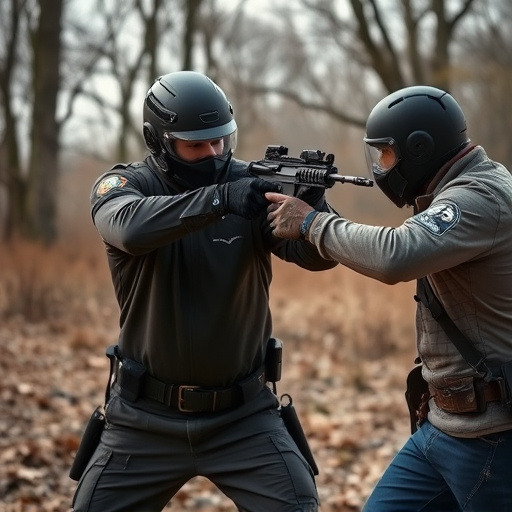
The compact stun gun with integrated charger relies on understanding electrical current flow for optimal performance. This involves analyzing how electrons move under conditions like voltage, resistance, and conductivity, influenced by conductor geometry and surrounding materials. Uniform current flow through electrodes ensures consistent shocks. Researchers use advanced simulation software to model electromagnetic fields and predict current behavior, guiding design enhancements that improve effectiveness while reducing hazards in portable electronics. Environmental factors like temperature and humidity can alter current spread, requiring careful consideration in stun gun engineering. By disrupting an attacker's neuromuscular control through precise current distribution, these devices offer powerful personal safety tools. Safety precautions include proper grounding, insulated equipment, protective gear, regular maintenance, adherence to regulations, and controlled testing environments.
Electrical current’s behavior is a complex yet fascinating aspect of physics, especially when applied to self-defense tools like the compact stun gun with built-in charger. This article delves into the intricate world of electrical current spread patterns, exploring how these devices function. We’ll cover understanding current dynamics, the unique features of compact stun guns, analyzing spread patterns through theory and techniques, influencing factors, and their practical applications in self-defense while emphasizing safety considerations and best practices.
- Understanding Electrical Current and Its Behavior
- The Role of a Compact Stun Gun with Built-in Charger
- Analyzing Spread Patterns: Theory and Techniques
- Factors Influencing Current Spread
- Practical Applications in Self-Defense
- Safety Considerations and Best Practices
Understanding Electrical Current and Its Behavior

Electrical current, a fundamental concept in physics and engineering, is the flow of electrons through a conductor. When applied to devices like a compact stun gun with built-in charger, understanding this flow becomes critical. The behavior of current depends on factors such as voltage, resistance, and the material’s conductivity. In a stun gun, for instance, a high voltage pulse is delivered through metal contacts to disrupt muscle control in the target, highlighting the importance of precise current management.
The spread pattern of electrical current within a conductor is influenced by its geometry and the surrounding materials. This phenomenon is crucial when designing compact devices, as efficient current distribution ensures optimal performance. In a stun gun, for example, the built-in charger’s design needs to ensure uniform current flow through the electrodes to deliver consistent and effective shocks. By analyzing these spread patterns, engineers can optimize device efficiency, safety, and reliability.
The Role of a Compact Stun Gun with Built-in Charger

In the realm of personal safety, a compact stun gun with built-in charger stands out as a revolutionary tool. Its sleek design and integrated charging system make it easily portable, allowing users to carry this powerful device discreetly. This innovation addresses the crucial need for immediate self-defense without the hassle of separate chargers or frequent battery replacements. The built-in charger ensures that the stun gun remains fully functional when needed most, making it a game-changer in personal safety technology.
The compact size and charging convenience of these stun guns enhance their effectiveness during emergency situations. The device’s ease of use, combined with its reliable energy output, enables users to respond swiftly to potential threats. With proper training, individuals can leverage this technology to disrupt an assailant’s attack pattern, providing them with a crucial window of opportunity for escape or help arrival. Thus, the compact stun gun with built-in charger not only offers peace of mind but also empowers folks to take control in potentially dangerous scenarios.
Analyzing Spread Patterns: Theory and Techniques

The analysis of electrical current spread patterns is a critical aspect of understanding how energy flows through various mediums, especially in compact devices like stun guns with built-in chargers. This theoretical and practical field involves meticulous observation and interpretation of current flow to ensure optimal performance and safety. Researchers employ advanced techniques such as simulation software that models electromagnetic fields, allowing them to predict and visualize the behavior of current under different conditions.
By combining computational methods with experimental data, scientists can decipher intricate patterns that reveal information about material properties, current density, and potential hotspots. This knowledge is invaluable in the design and optimization of compact stun guns, where efficient energy distribution ensures both effectiveness and reduced risk of electrical hazards. Understanding these spread patterns contributes to innovations in portable electronics, enhancing safety standards and performance capabilities.
Factors Influencing Current Spread
The spread pattern of electrical current is influenced by a multitude of factors, each playing a crucial role in determining how and where the current flows. One unique aspect to consider is the design and features of compact self-defence devices like the compact stun gun with built-in charger. These tools often incorporate advanced electronics and engineering, which can significantly impact current distribution. The shape, material composition, and thickness of the device’s electrodes contribute to shaping the current path, ensuring maximum effectiveness during use.
Additionally, environmental conditions also play a part. Factors such as temperature, humidity, and the presence of conductive or insulating materials around the current flow can alter its trajectory. For instance, in wet environments, the insulating properties of water can affect the current’s ability to pass through, leading to variations in how it spreads. Understanding these influences is vital for not only optimising the performance of compact stun guns but also for broader electrical engineering applications.
Practical Applications in Self-Defense
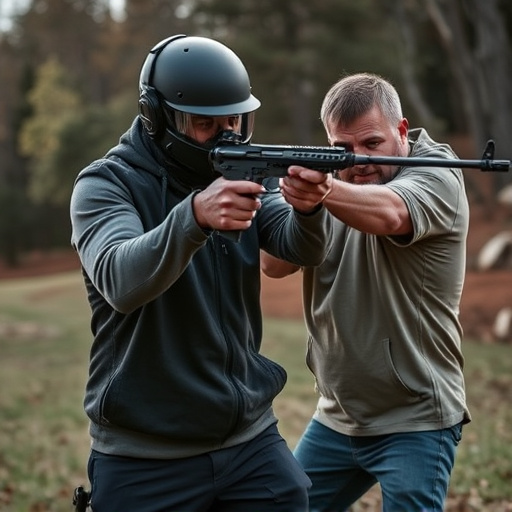
In the realm of personal safety, the practical applications of electrical current spread pattern analysis are profound, especially with the advent of compact stun guns equipped with built-in chargers. These innovative devices harness the power to disrupt an assailant’s neuromuscular control through strategic electric current distribution. By understanding how electricity travels and interacts with the human body, users can maximize the effectiveness of these weapons while minimizing unintended harm. This knowledge enables individuals to make informed decisions in high-stress situations, ensuring their safety and that of others.
The compact stun gun’s ability to deliver a targeted electrical shock makes it a game-changer in self-defense strategies. The built-in charger not only ensures convenience but also allows for quick and efficient recharging, enabling users to stay prepared in case of unexpected encounters. This technology underscores the importance of staying ahead in personal safety measures, where every second counts.
Safety Considerations and Best Practices

When conducting electrical current spread pattern analysis, especially when using devices like a compact stun gun with built-in charger, safety should be the top priority. Always ensure proper grounding and use insulated equipment to minimize the risk of electric shock or accidental discharge. Wear protective gear, including insulative gloves and eye protection, to safeguard against potential hazards. Regularly inspect and maintain your equipment to prevent malfunctions that could lead to unsafe situations.
Adhering to best practices is crucial for accurate and safe analysis. Use a controlled testing environment with minimal interference from external electrical sources. Calibrate your measurement tools regularly to ensure precise data collection. Document all test conditions, results, and observations meticulously for future reference and to maintain regulatory compliance. Additionally, familiarize yourself with local regulations regarding the handling and disposal of electrical devices, particularly compact stun guns with built-in chargers, to ensure a safe and responsible research or application process.
Electrical current spread pattern analysis is a crucial aspect of understanding the effectiveness of self-defense tools, particularly the compact stun gun with built-in charger. By delving into the theory and practical applications, we’ve seen how these devices work to disrupt an assailant’s nervous system through precise current spread. Various factors influence this spread, including the device’s design and environmental conditions, both of which are key considerations for optimal performance. The compact stun gun with built-in charger offers a convenient and effective solution for personal safety, backed by scientific analysis of its current spread patterns. Safety should always be a top priority when utilizing such devices, following best practices to ensure their effectiveness in real-world scenarios.